
Do I Have My Oxygen Mask On? My Self-Care as a Firefighter
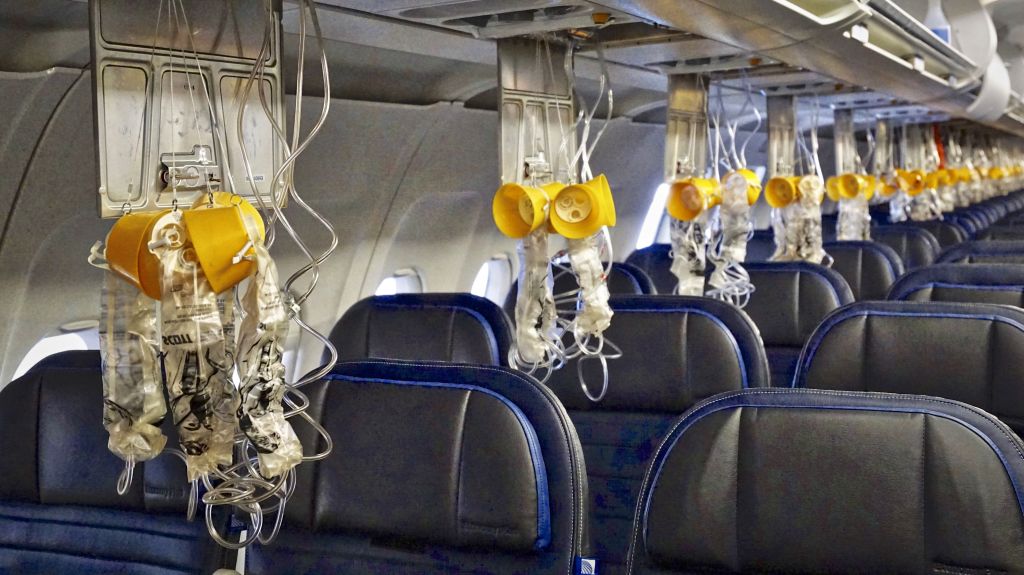
In the context of an emergency flight, the instruction to fix our own oxygen masks before assisting others isn’t just practical advice for air travel—it serves as a powerful metaphor for the importance of self-care, particularly in demanding professions like firefighting. We’re often celebrated as heroes, courageously entering hazardous situations to save others and battle blazes. However, the very essence of our job—intensely physical, emotionally taxing, and inherently risky—underscores the critical necessity for self-care among myself and my fellow firefighters. Here, I’ll explore why looking after our well-being is imperative and share the strategies I adopt to safeguard my health.
The Challenges I Face as a Firefighter
Firefighting exacts a comprehensive toll—demanding physical strength, mental resilience, and emotional fortitude. The rigors of the job aren’t limited to its physical demands; they extend into significant emotional challenges, making many of us susceptible to stress, burnout, and even PTSD. Operating in such a high-pressure environment underscores a critical truth: I cannot pour from an empty cup. Self-care is my oxygen mask, the essential tool I must prioritize to perform my duties effectively and sustain my health.
My Strategies for “Putting on My Own Mask”
1. Physical Fitness and Nutrition
Maintaining peak physical fitness is imperative. Engaging in regular exercise, specifically designed to meet the unique demands of firefighting, ensures that I remain in optimal condition, fully prepared for any challenge that might arise. Coupling this physical regimen with a balanced diet is crucial, not just for staying physically primed, but also as a key strategy in preventing injuries.
Check out
Episode 032 of Priority Traffic Podcast where I discuss nutrition with a Tactical Dietician

Much of my fitness training revolves around tackling tough challenges while maintaining precision in skills such as shooting. Here’s a snapshot from 2022 at my very first appearance in The Tactical Games. Setting a competition date pushed me to focus my training efforts sharply. Though this regimen was targeted towards the tactical arena, the skills and resilience I developed have been invaluable on the fire ground, beyond the specific demands of firefighting.
2. Mental Health and Wellness
Dealing with the mental demands of this job can be incredibly tough. That’s why I focus on creating a reliable support network involving family, friends, and colleagues, turning to professional assistance when things get too challenging, and engaging in mindfulness practices. Fortunately, many departments offer counseling services, which play a crucial role in handling the psychological strains of firefighting.

Finding balance and strength, inside and out. 🧘♂️ #YogaForFirefighters #MentalHealthMatters #PhysicalFitness
3. Quality Rest and Recovery
I’ve come to understand that adequate rest is not a luxury—it’s absolutely essential. Quality sleep is critical for both my mental and physical recuperation, crucial in preventing burnout and injuries. By fostering a lifestyle that prioritizes rest, I’ve witnessed a significant positive impact on both my own well-being and that of those who start to prioritize their sleep.

4. Continuous Learning and Development
Feeling prepared and confident in my role means I’m always investing in my personal and professional growth. Continual training and education help reduce stress, as they ensure I’m up to the task of handling my responsibilities efficiently. I have a passion for learning and always focus on areas that interest me, exploring how they can enrich my life both personally and professionally.

5. Community and Social Support
Building solid relationships within my team and connecting with a broader community that shares my values has truly given me a sense of belonging and support. These connections act as a buffer against stress and significantly improve my overall well-being. Moreover, they strengthen the sense of support I feel from the community, enriching my life both personally and professionally.

Conclusion
For me, asking, “Do I have my oxygen mask on?” is a critical check-in on my self-care practices. By prioritizing my well-being, I can continue doing my vital work sustainably and safely. My department and community play a supportive role in this, providing the resources, time, and policies needed to prioritize self-care. After all, it is only if I take care of myself that I can continue to take care of others.
To my fellow firefighters, I impart this crucial advice: Put your oxygen mask on first. Our health, in every aspect—physical and mental—is of the utmost importance. This principle is vital not only for our own well-being but also for the communities we courageously protect and serve.
 High-Performance Wellness Solutions
Leave a comment