


In this blog I wanted to shed some light on a topic that I have struggled with, one that doesn’t get enough airtime in our line of work. It’s about the hesitance many of us feel when we think about asking for help—whether it’s in the middle of a 3 alarm call out or dealing with the weight of things we carry home after our shifts.
I’ve been there, standing in your boots, feeling the weight of the world on my shoulders, believing that asking for a hand would somehow make me less of a firefighter, less resilient, less respected, just less. But here’s what I’ve learned from my few years on the job and from life’s often rocky curriculum: it’s all far from the truth.
Improving mental health supports for Emergency Responders, including Healthcare Workers, and their families
ResponderStrong
In our world, where the call to duty is as much about bravery as it is about humility, asking for help isn’t a sign of weakness; it’s a symbol of strength. Think about it. Every time we respond to a call, we rely on our crew. No one has to fight a fire alone, typically. No one makes a grab single-handedly. We work in crews. That’s just how it is.
Somewhere along the line, we bought into this idea that needing help with stuff outside the bay doors—our mental health, our personal hurdles—is a no-go zone. That couldn’t be further from the truth.
I’ve stumbled through moments when pride was my worst enemy. Moments when I thought acknowledging my struggles meant admitting defeat, that I was just not good enough. I was wrong. It wasn’t until I started trying to understand my challenges, asking for guidance, that I started seeing true strength—the kind built not just from grueling physical exercise but on genuine human connection. Asking for help means stepping in to vulnerability. That can be TERRIFYING.

Whether it’s mastering a new technique, navigating the threat profile of the fire service, balancing your finances, or even figuring out how to replace a part on a refrigerator at home, there’s always someone who’s been where you are now. Someone who’s faced a similar, if not exact issue and come out the other side ready to pass on their playbook.
Reaching out didn’t make me any less competent at my job or less of a person. If anything, it armed me with more tools, more knowledge, and a solid reminder that I’m a part of something bigger than myself, a brotherhood, where having each other’s backs is the core of what we do.
Asking for help is hard, but people want to help more than we realize, Stanford scholar says
Read the Article Here

So, I’m saying: It’s okay to ask for help. It’s more than OK—it’s necessary. Mental, emotional, technical—it doesn’t matter the battlefield. We’re in this together, and sometimes, that means leaning on someone else to find your footing again.
For those who’ve had a rough go when you’ve reached out before, I see you. Not everyone gets it right, and I’m sorry for that. But for every misstep, know there are many more of us ready to stand with you, no judgments, just a helping hand.
And for those wondering how to start, just start. Pick up the phone, pull someone aside after a call, drop a message. It’s not about having all the answers; it’s about being willing to find them together.

Frontline Strong Together (FST5) was created in support of Police Officers, Fire Fighters, EMS, Correctional Officers, 911 Dispatchers, and their immediate families. FST5 is the result of collaboration between mental health professionals and first responders.

We’re all walking this path, some of us a few steps ahead, some a few steps behind, but nobody is walking it alone. Reach out, and you’ll find a wealth of experience and empathy ready to meet you.
Remember, our strength isn’t just in the fires we fight; it’s in the solidarity we share, the vulnerabilities we embrace, and the collective resilience we build from having the courage to ask, “Can you help me with this?”
In Wellness and Performance,
Chris.
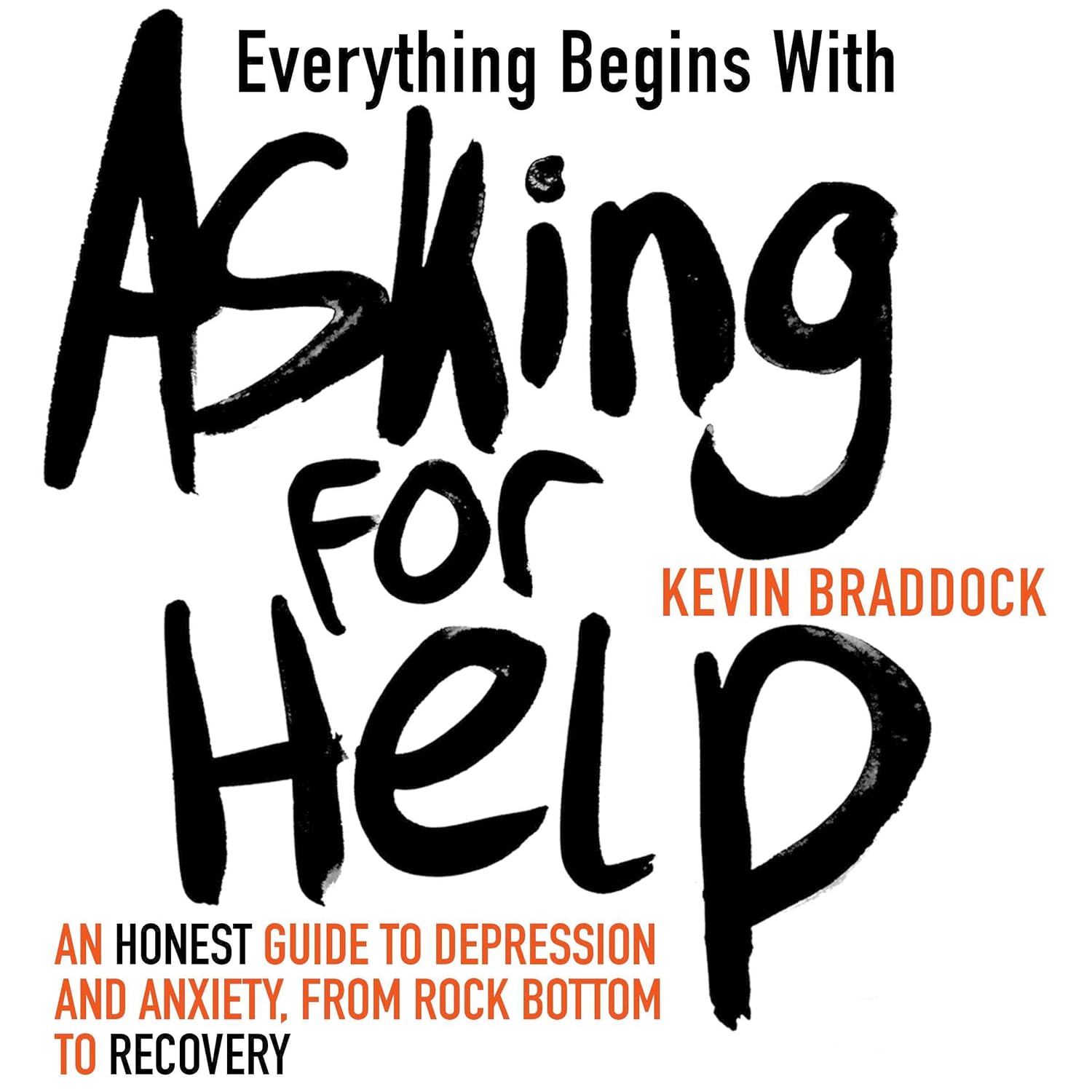
Everything Begins with Asking for Help is a frank, insightful and thought-provoking audiobook on mental health, drawing on the author’s own experience of a severe mental breakdown and sharing the recovery tools he has developed in partnership with various medical professionals and mental health experts.
Portions of this work were assisted by AI technology for purposes of structuring and initial drafting. Final edits and content refinements were conducted by the author to ensure the accuracy and integrity of the work.
 High-Performance Wellness Solutions
Leave a comment