

In the latest episode of the Priority Traffic Podcast, host Chris Warden sits down for an insightful conversation with licensed therapist Destiny Morris, LMFT, who specializes in the mental health of first responders. This episode is a critical listen for anyone involved in high-stress professions or those who support them.

Connect with Destiny

Ep. 50 | The Fire Inside: Healing the Helpers w/ Destiny Morris – Priority Traffic Podcast
Join us as Destiny Morris sheds light on:
- Unique Challenges: Understanding the specific mental health hurdles that first responders face.
- Importance of Therapy: Why specialized therapy is essential and how it can make a difference.
- Stigma and Cultural Shifts: Addressing the mental health stigma and the positive changes underway in the community.
- EMDR and Trauma Processing: Discover the role of Eye Movement Desensitization and Reprocessing (EMDR) in helping first responders process traumatic experiences.
- Emotional Processing: Learn about the critical need for emotional processing and how to identify signs of emotional overload.
- Supporting Colleagues: Practical advice on how to support teammates in distress.
First responders are often considered a communities heroes, but who helps the helpers? In our latest podcast episode, we dive deep into the critical but often overlooked topic of mental health support for firefighters, paramedics, police officers, and other emergency personnel. Our special guest, Destiny Morris, a licensed therapist specializing in first responder mental health, brings a wealth of knowledge and experience to this important conversation.

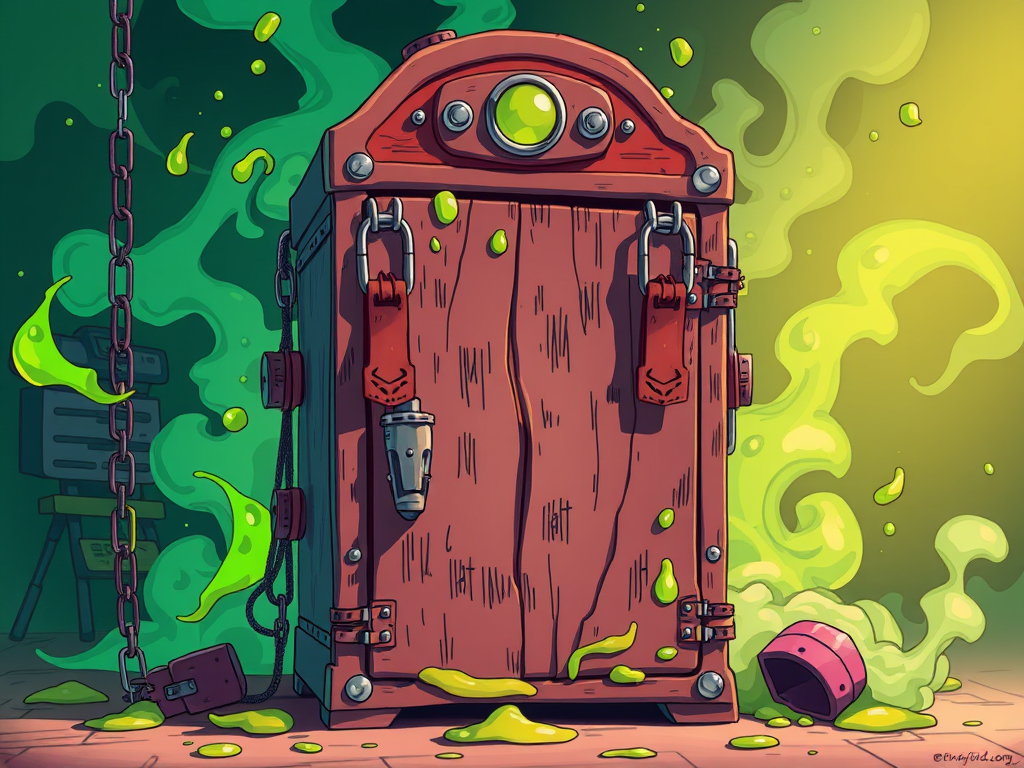
The mental health challenges faced by first responders are unique and often misunderstood. As Destiny explains, first responders experience repeated exposure to traumatic events, maintain high-stress responsibility for others’ lives, and operate within a culture that has historically valued stoicism over emotional expression. This combination creates a perfect storm for mental health challenges that require specialized care. One powerful metaphor Destiny shares is the “cabinet” concept – first responders are taught to compartmentalize their emotions by putting them in a mental cabinet to function effectively during emergencies, but they’re rarely taught how to safely remove and process these emotions afterward.
The stigma surrounding mental health in first responder communities remains a significant barrier to seeking help. Many fear being seen as weak or unfit for duty if they acknowledge struggling with their mental health. Destiny highlights how this stigma manifests in statements like “I signed up for this job, I should be able to handle it” or “therapy is a waste of time.” These misconceptions prevent many from accessing the support they desperately need. Encouragingly, Destiny notes a positive shift in recent years, with younger first responders more willing to seek preventative mental health support rather than waiting until they’re in crisis.

EMDR (Eye Movement Desensitization and Reprocessing) therapy emerges as a particularly effective treatment modality for first responders dealing with trauma. Destiny provides a clear explanation of how EMDR works, comparing traumatic memories to “black marbles” that need to be reprocessed and integrated into normal memory storage. This therapy helps reduce the emotional charge of difficult memories and diminishes triggers associated with traumatic events – like no longer needing to avoid driving past the location of a difficult call.

Finding the right therapist is crucial for first responders. Destiny emphasizes the importance of cultural competence – finding a mental health professional who understands the unique challenges and culture of emergency services. She recommends asking potential therapists about their experience with first responders, their training in first responder issues, and their motivation for working with this population. She also warns about therapists who might traumatize clients by being unprepared for the intense nature of first responder experiences.
Beyond traditional EAP (Employee Assistance Program) services, Destiny highlights alternative resources for first responders seeking mental health support. Organizations like The Overwatch Collective and Next Rung provide financial assistance for therapy sessions, making care more accessible. These specialized resources understand the unique needs of first responders and can connect them with culturally competent therapists.


The podcast concludes with powerful advice for first responders contemplating therapy: take that first step. As with any skill or tool in emergency services, mental health support is most effective when established before a crisis. Building a relationship with a therapist creates a safe space where first responders can unpack their experiences without judgment. This preventative approach helps maintain mental wellness throughout a challenging career rather than waiting until symptoms become overwhelming.

Listen to the full episode now on the Priority Traffic Podcast!
 High-Performance Wellness Solutions
Leave a comment