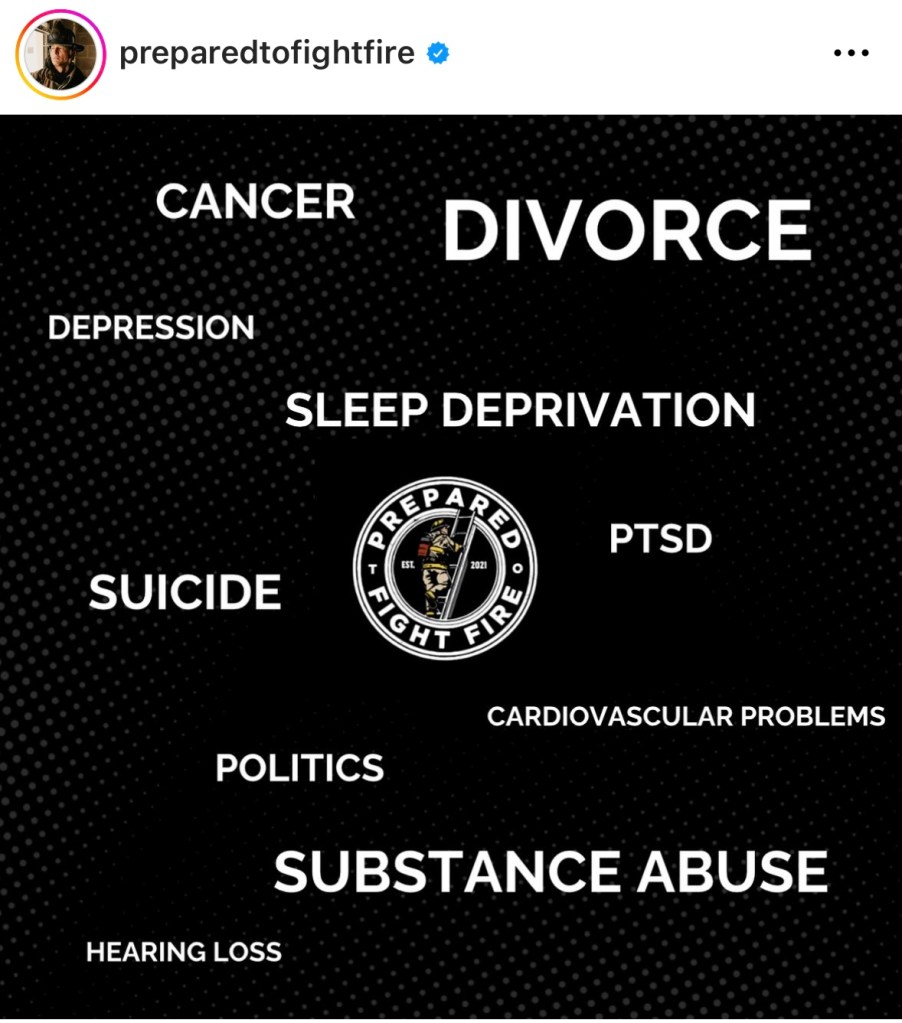
When we talk about firefighting, it’s easy to become enchanted by the heroic deeds headlining the news. Often, we admire the noble calling and the sacrifices brave men and women make daily to keep their communities safe. However, an aspect of this heroic narrative is rarely addressed. To properly illuminate this topic, I should explain how I arrived at this point and why I am writing this. After finishing my 24-hour shift this morning, I had a pretty smooth 55-minute commute home. Once there, I laced up my running shoes for an easy run—a ritual that helps me transition from work to home life. After cooling down, I found myself scrolling through a social media app and stumbled upon a post discussing the “dark side” of the fire service, which listed many of the challenges we, as firefighters, face throughout our careers. Firefighters face numerous threats, including physical injuries, toxic exposure, acute and chronic stress, occupational cancer, and cardiovascular diseases, and this is a very broad and simplified list.
“There’s a dark side to this career that we don’t talk about enough.
PTSD is real, depression is real. And some of us turn to booze or pills to cope, creating a whole new cycle of addiction and self-destruction…”
It struck a chord with me, especially since I was presenting on this subject just yesterday to the newest class of probationary firefighters. This content effectively highlighted issues that are frequently overlooked.
The notion of a “dark side of the service” suggested in the post initially made me pause. I thought to myself, it’s not exactly a dark side, but it undeniably represents the demanding aspects of our job that are largely invisible to outsiders. Every firefighter is familiar with the stress, the physical strain, and the emotional burden we shoulder. There’s sometimes an unspoken rule that acknowledging these hardships diminishes our abilities, but nothing could be further from the truth.
As I mentioned, I discussed these very topics with our latest recruits yesterday. I’ve come to collectively refer to these job aspects as the “threat profile” of firefighting. Open dialog about these issues should start from day one—not to instill fear but rather to ensure preparedness. In the fire service, we call this “pre-planning.” Usually, we reserve pre-planning for incidents we anticipate to be significant, ones that will likely consume substantial department resources and necessitate backup from surrounding communities. Being aware and prepared allows us to confront these challenges head-on, potentially restoring years to our lives—years that the stress and perils of the job might claim by way of cancer.
“According to the Firefighter Cancer Support Network, firefighters have a 9% greater chance of being diagnosed with cancer and a 14% greater chance of dying from cancer. “ [Read more from Firefighter Insider HERE]
The Real Challenges and How They Affect Us
Stress accumulates—from our profession, homes, social circles, or internal worlds. When unmanaged, every emergency call adds a bit more to the load we carry. Over time, these increments can culminate in serious physical and emotional health issues. Ignoring our stressors doesn’t eliminate them; it only makes them more persistent and difficult to manage when they eventually demand our attention, manifesting as symptoms. The reality is, if we are committed to rushing into burning buildings and saving lives, we should be equally proactive in preserving our own well-being.
Breaking the Silence on Mental Health
Despite a changing generational mindset, a tangible stigma persists—the belief that discussing our struggles signifies weakness; it does not. It renders us wiser and more robust, alleviates our burdens, and fosters connection. Just as we undergo physical training to meet the job’s demands, it’s essential to cultivate mental strength and resilience. Fire departments should be safe havens where openly discussing our experiences is welcomed, free from the shadow of judgment. It goes beyond merely providing resources; it’s about actively promoting their use among one another.
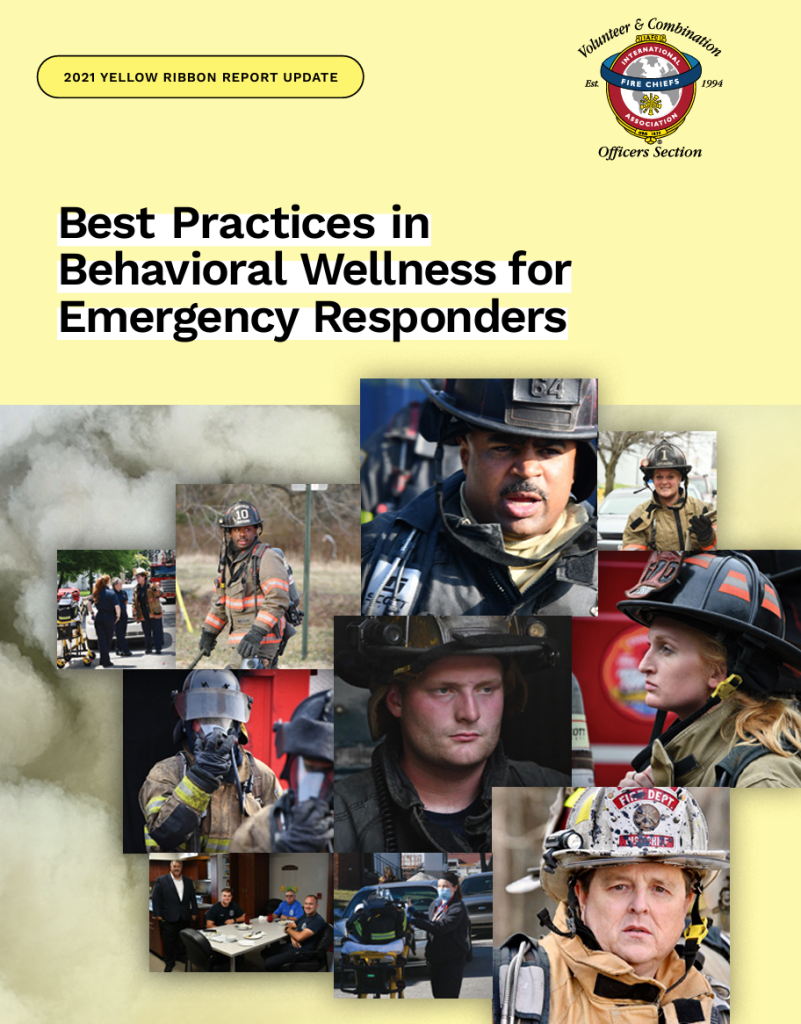
A firefighter’s job requires chronic and repeated exposure to stressful and traumatic situations.
Chronic stress and trauma lead to high rates of PTSD, depression, substance use, and suicide.
There are solutions, both established and on the way, to help reduce the mental health impact of trauma among first responders.
Tools for the Job: Not Just Hoses and Axes
A department can dedicate countless hours to training new members on how to stretch hose, navigate through zero visibility environments, and master other essential firefighting techniques. Yet for some reason, the other crucial aspect – the threat profile of the fire service and its impact on those within its ranks – often goes neglected. The strategies and support systems to manage stress, fear, and fatigue are just as important as our physical equipment. This encompasses stress management techniques, recognizing the need for help, and ensuring access to professional counseling. It’s about constructing a mental and emotional safety net long before we find ourselves on the precipice, one foot dangling over the edge, weighing the decision of whether to step back or jump.
Leadership’s Role
Our leaders are pivotal in transforming our culture into one that places as much importance on mental and emotional well-being as it does on essential tools and physical bravery. They can lead the change by openly discussing these crucial issues, making resources available, and setting an example themselves. It’s about fostering a team that supports each other comprehensively.
“Behavioral wellness requires you to break it down, split it up and massage it into something that works for your department. As you know from experience, getting started is the first step.”
The Power of Peer Support
Having the support of our peers can make a world of difference. Knowing that someone has your back, not just in a fire, but also in coping with the aftermath of a challenging call, can significantly reduce feelings of loneliness. Initiatives that encourage camaraderie and mutual support can profoundly transform a department.
Moving Forward Together
It’s time we all start talking more about this “other side” of firefighting. Everyone, from rookies just starting out to the seasoned veterans, can benefit from being more open and prepared to face these challenges. Let’s prioritize our mental and emotional health, not just for our own sake but for the sake of everyone we serve.
Firefighting is more than just a job; it’s a calling. By embracing every aspect of this role, including the challenges we face off the trucks, we can grow stronger, healthier, and more united. Let’s lead the charge in changing how we talk about and address the “other side” of firefighting. It’s not only about saving lives out there; it’s about saving our own, too.
Special thanks to Preparedtofightfire, Julian Serrano, for the motivation and inspiration to write this article.
In Health and Performance, The HPWS Team.
Portions of this work were assisted by AI technology for purposes of structuring and initial drafting. Final edits and content refinements were conducted by the author to ensure the accuracy and integrity of the work.
[…] it’s mastering a new technique, navigating the threat profile of the fire service, balancing your finances, or even figuring out how to replace a part on a […]



 High-Performance Wellness Solutions
Leave a comment